DOT Physical in Houston: What's Checked and How to Prepare
Vision, hearing, blood pressure, urine: what the CDL DOT physical on FM 529 in Houston checks, and how to prepare with diabetes or high blood pressure.
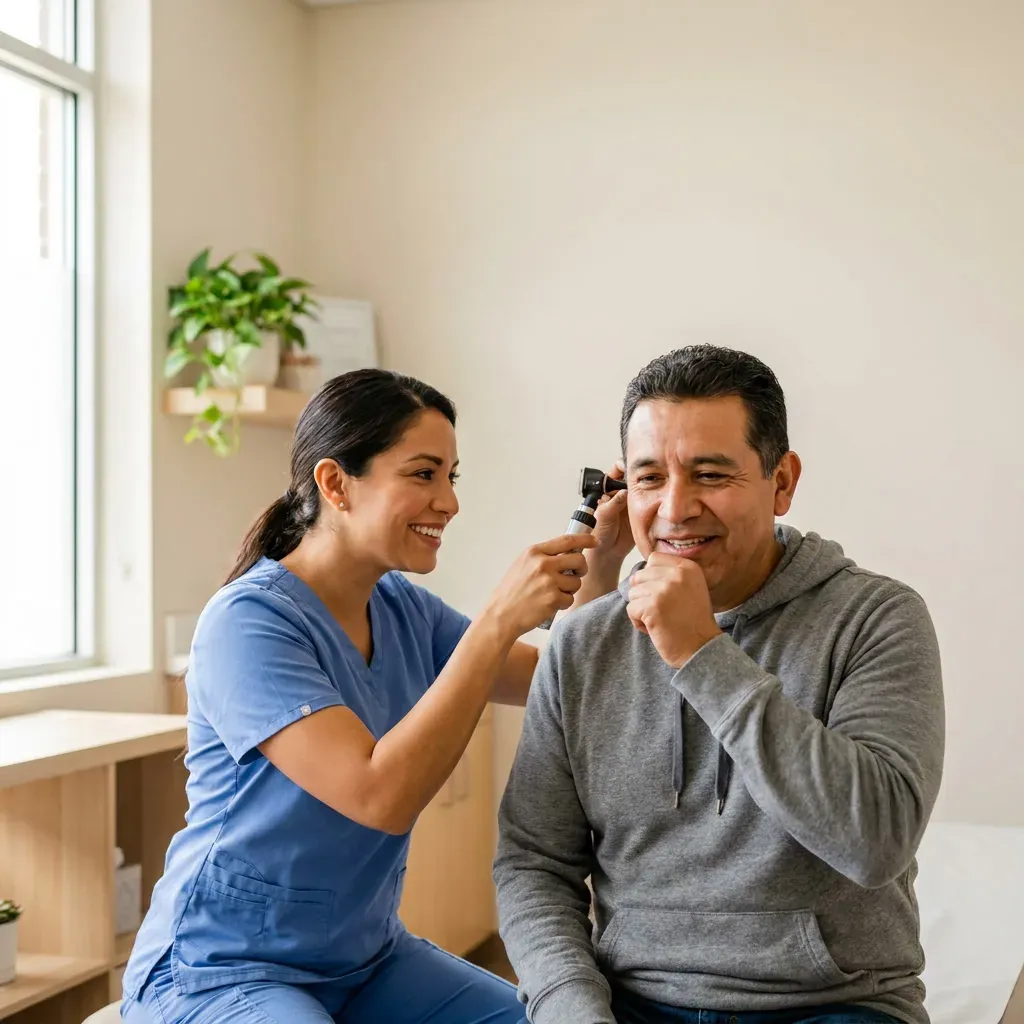
Plenty of drivers from Copperfield, Bear Creek and Cypress walk into their DOT physical with the same worry: "What if my blood pressure comes out high?" The short answer is that the exam looks at four basics (vision, hearing, blood pressure and urine) plus your health history, and most of it can be prepared the week before. Clínica Hispana Familiar 529 performs the DOT physical for the CDL, in English or Spanish.
What will they check during the DOT exam?
The standards come from the Federal Motor Carrier Safety Administration (FMCSA) and are published in its driver medical requirements section. In practice the visit goes through these points:
Vision
Each eye is tested separately and both together, with or without glasses. FMCSA requires at least 20/40 in each eye, an adequate horizontal field of vision and the ability to tell traffic signal colors apart. If you drive with glasses or contacts, wear them to the exam; your card will note that you must use them behind the wheel.
Hearing
You'll be checked on whether you can hear a forced whisper at a set distance or, if needed, with a hearing test. If you use a hearing aid, bring it with charged batteries.
Blood pressure and pulse
This is where most drivers get nervous. FMCSA uses blood pressure ranges to decide whether a card is issued and for how long; the details are on its medical page. A high reading doesn't always mean a denial, but it can shorten the certification or mean you need to get your pressure under control first.
Urine
A common mix-up: the urine sample in the physical is not the drug test. It screens for protein, blood or sugar, signs that may point to kidney problems or diabetes. The drug test is a separate step usually required by the employer, and the clinic also offers alcohol and drug testing.
Health history and general exam
You fill out a health questionnaire (surgeries, medications, sleep problems, heart conditions, seizures and so on), then get a general physical: heart, lungs, abdomen, spine, reflexes and mobility. Answer honestly; it is a federal document.
I have high blood pressure. What should I do before the exam?
If you already have a hypertension diagnosis, these steps help the reading reflect where you really stand:
- Take your medication as usual, including the morning of the exam. Skipping a dose that day tends to push the number up, not down.
- Leave the morning coffee, the energy drink and the cigarette for after the exam, since all three can nudge the reading up.
- Sleep well the night before. Coming straight off a long driving shift can raise the reading.
- Arrive early and sit quietly for a few minutes before the measurement.
- Bring your medication list with names and doses, or the boxes themselves.
If your pressure is not under control, the most useful move is to deal with it before your renewal. The chronic conditions service follows hypertension with regular check-ins.
I have diabetes. Can I still get my medical card?
In many cases, yes. What changes is the preparation:
- If you manage diabetes with pills or diet, bring your latest lab results (such as your hemoglobin A1c) and your medication list.
- If you use insulin, FMCSA requires a specific form filled out by the clinician who treats your diabetes, which you bring to the exam. The rules and current form are in the FMCSA medical section; get that paperwork before you come.
- Keep an eye on your vision, since diabetes can affect it over the years.
For background on the condition, the CDC diabetes pages are a solid starting point. If you need recent labs to take to the exam, blood tests can be drawn at the clinic.
What do I bring on exam day?
A short list to keep in the cab:
- A valid driver's license.
- Glasses, contacts or hearing aid, if you use them.
- Medication list with doses.
- Paperwork for any condition under treatment: diabetes, heart, sleep apnea (if you use CPAP, the usage report), recent surgeries.
- Your treating clinician's form if you use insulin.
Bringing these keeps your exam from being put on hold over a missing document.
How long is the medical card good for?
It depends on your results. FMCSA sets the maximum period and the cases where a shorter one applies, such as elevated blood pressure; that information is on its official site. At the end of the exam you'll be told which period applies to you and why.
How much does it cost, and do I need an appointment?
Ask for the price by phone or WhatsApp at (281) 694-7250; active offers are posted under promotions. No appointment is needed. Many drivers stop by after dropping a load, since the clinic stays open until 9 PM Monday through Saturday and until 5 PM on Sunday. Service details are on the DOT exam page.
Where is it?
At 15003 FM 529, Suite B, Houston, TX 77095, near Highway 6. Parking is free. Get your blood pressure in shape, gather your papers and come in whenever it fits between runs.
Need medical attention?
We're here to help. Call now to schedule your appointment or visit our clinic without an appointment.
Call now: +1 (281) 694-7250