Annual Well-Woman Exam: What It Includes and How to Prep
What gets checked at your annual well-woman exam, why it is worth going every year even when no Pap is due, and how to prep for Clínica 529.
Many women think a gynecology checkup is just the Pap smear. So when they hear that the test is repeated every three or five years, they figure they don't need to come back until then. It is a very common mix-up, and it has a cost: years go by without anyone asking about their periods, their blood pressure, their birth control or the small discomforts they slowly learned to live with.
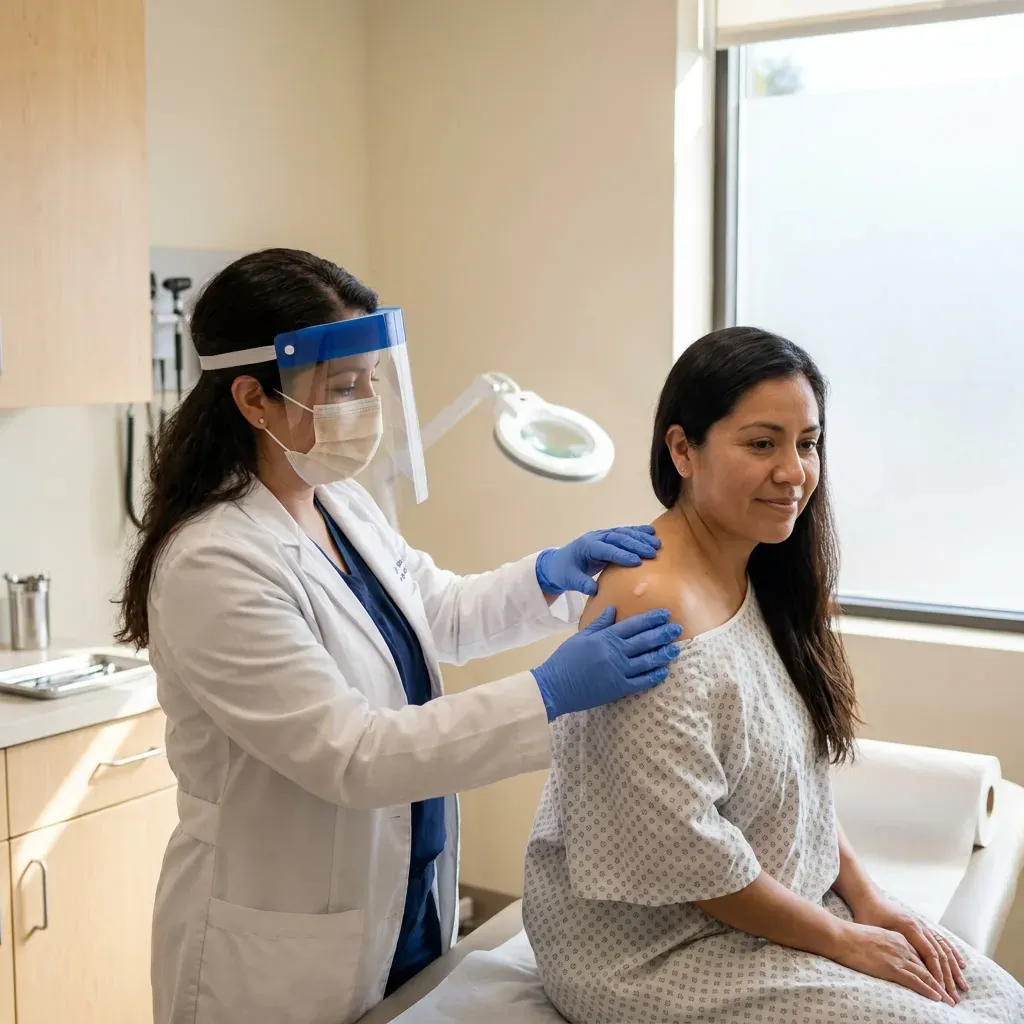
The annual well-woman exam is something different. Think of it as routine maintenance, like an oil change for the car: you do it even when everything seems to run fine, precisely so it keeps running that way. In this article the medical team at Clínica Hispana Familiar 529 explains what gets reviewed during that visit, why it makes sense to go once a year, and what you can do at home to get the most out of it.
The annual visit and the Pap smear are not the same thing
Two ideas tend to get blended together:
- The annual visit is the conversation and general review of your intimate and reproductive health. It is recommended every year, starting in the teen years or once you become sexually active, and it stays useful after menopause.
- The Pap smear is one specific test, a sample of cells from the cervix, taken during that visit only when it is due based on your age and past results. The clinic's gynecology page lays out the schedule, which also includes the HPV test from age 30.
Put simply: some years your checkup will include the sample and some years it won't, but the visit itself is worth making every twelve months. What changes from year to year is what happens in the room, not whether you should come.
What gets reviewed during the visit
Every visit is tailored to the person, but these are the pieces that usually make up a complete well-woman exam:
| Part of the checkup | What it looks for | Every year? |
|---|---|---|
| History and questions | Periods, pain, discharge, birth control, pregnancy plans, family history | Yes |
| Vital signs | Blood pressure, weight and other general measurements | Yes |
| Gynecology review | Discharge, itching, burning, odor or pelvic pain | Yes, guided by symptoms |
| Pap smear | Changes in the cervix | Only when due |
| Vaginal culture | Yeast, bacteria or trichomonas | When there are symptoms |
| Urine test | Signs of a urinary infection or other findings | Case by case |
| Mammogram order | Early breast screening | Based on age and need |
A few of these deserve a closer look.
The conversation. It is the most important part and the one people rush through most. This is where it comes up that your period got heavier, that intercourse has become painful, that your birth control is bothering you, or that you are thinking about getting pregnant next year. That information decides which tests make sense for you.
The discomforts women put up with. Discharge that changed color or smell, itching that comes and goes, or an ache in the lower belly are not things you have to tolerate quietly. If they come up during the review, a vaginal culture identifies the cause, and vaginal infections are treated at the same visit.
The mammogram. The clinic hands you the order when it fits your age, your history or what turns up during the review, and explains what the study is for.
What can be added when it is needed
The annual exam is also a good moment to take care of other pending items without an extra trip:
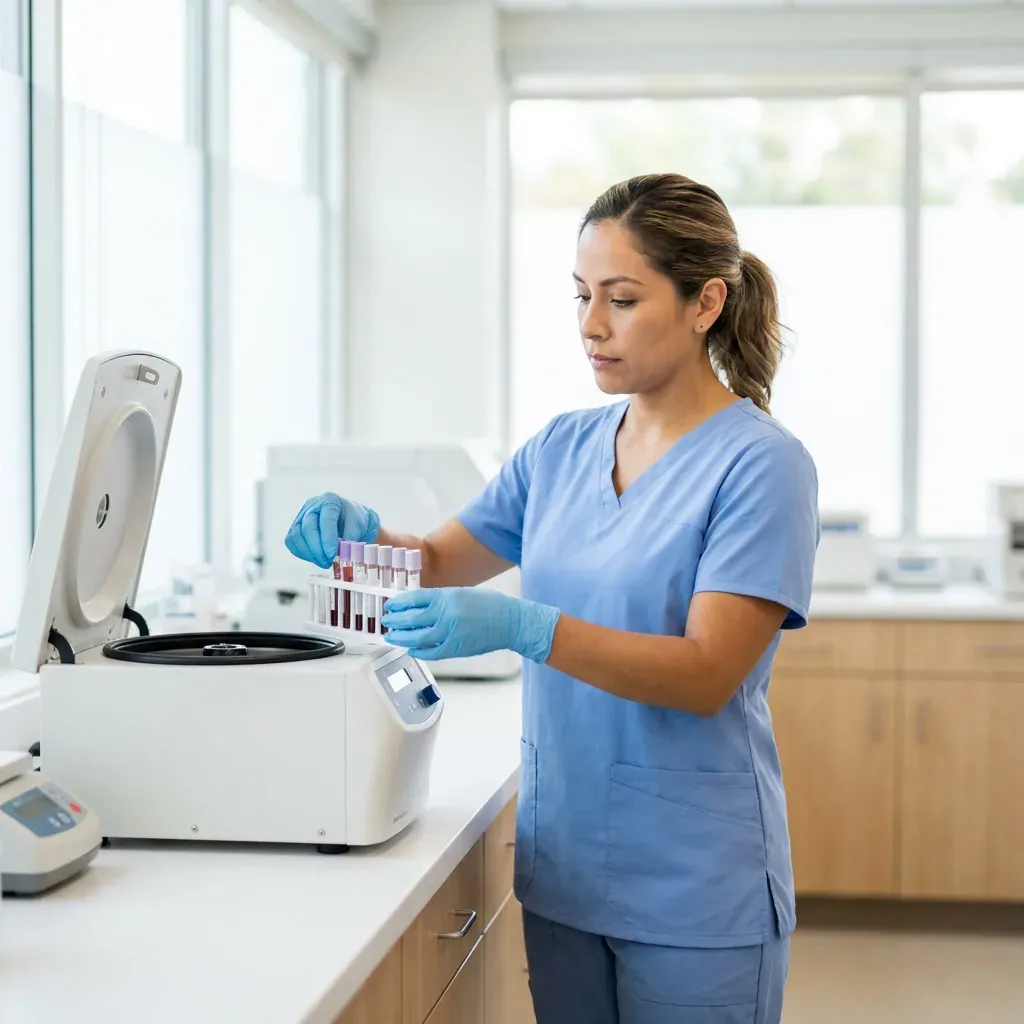
- Blood work. If it has been a while since your glucose, cholesterol, thyroid or iron levels were checked, the sample can be drawn at the same visit through the blood tests service. For glucose and cholesterol, plan on 8 to 12 hours of fasting.
- Pelvic ultrasound. With very heavy periods, pelvic pain or unusual bleeding, the pelvic ultrasound is done in the clinic and shows the uterus and ovaries.
- Family planning. If you want to start, switch or stop a method, the birth control visit reviews your history and blood pressure before anything is recommended. Leaving the checkup with a treatment plan? Your prescription goes electronically to whichever pharmacy you pick, so you can grab it on the way home.
How often: once a year, and sooner if something changes
The practical rule is simple: one visit a year, on a date that is easy to remember, such as the month of your birthday. That way you don't have to keep track of when your last Pap smear was.
But the annual exam is not a reason to wait. Come in sooner if you notice:
- Discharge that changes in color, amount or smell.
- Vaginal itching or burning.
- Pain when urinating or during intercourse.
- Bleeding between periods or after intercourse.
- Any bleeding after menopause.
- Lower belly pain that won't go away.
How to get ready: your checklist for the week before
Good preparation makes the visit shorter and more useful. Here is what we suggest:
- Pick the date carefully. If a Pap smear is due this year, choose a day without heavy menstrual bleeding. If it is only the general review, your period doesn't stop the visit, but mention it when you arrive.
- Mind the two days before. If a sample will be taken, skip intercourse, douching, tampons and vaginal creams or suppositories during those two days, because they can throw off the result.
- Write down key dates. The first day of your last period, and the dates of your last Pap smear and last mammogram if you remember them.
- Make your medication list. Include the birth control you use, vitamins, supplements and home remedies.
- Gather earlier results. Lab reports, ultrasounds or paperwork from another clinic help with comparison.
- Write your questions down. They tend to vanish in the moment. If something feels awkward to say out loud, you can bring it on paper and hand it over.
- Check whether you need to fast. If you plan to have glucose or cholesterol drawn, don't eat for 8 to 12 hours beforehand; water is fine.
- Fill your bladder if an ultrasound is planned. For the pelvic study, drink 3 to 4 glasses of water an hour before and don't urinate.
One more practical tip: wear comfortable clothes that are easy to remove from the waist down. Everything happens in a private, confidential space.
If something comes back abnormal
An abnormal result is no reason to panic. Often it is an infection that gets treated, or a change that only needs a repeat test later on. The medical team explains in Spanish what it means and what comes next; if the case calls for it, a specialized evaluation is a good idea, and we guide you on the next step.
Signs that should not wait for any appointment
Some situations are not for the annual exam or even this week's visit. If any of these happen, dial 911 or head to the nearest emergency room:
- Very heavy bleeding with dizziness or fainting.
- Sudden, severe pelvic pain.
- A pregnancy, or a chance you might be pregnant, with strong pain on one side or bleeding.
- High fever with pelvic pain.
Your yearly review, all in one place
For women in Copperfield and nearby who would rather take care of everything in one trip, the clinic offers a complete women's checkup that combines the gynecology visit, the Pap smear, the urine test and the mammogram order; details are on the promotions page. Mark the date on your calendar, put your list together calmly and come with your questions: the medical team at Clínica Hispana Familiar 529 in 77095 will see you in Spanish.
Need medical attention?
We're here to help. Call now to schedule your appointment or visit our clinic without an appointment.
Call now: +1 (281) 694-7250